Top Rated Roof Repair Contractors Serving Your Area
Standard Roof Repairs: Essential Advice for Homeowners to Protect Their Investment
Many homeowners fail to recognize the critical nature of regular roof maintenance. Common issues like leaks, missing shingles, and sagging can cause serious problems if left unchecked. Understanding these concerns is crucial for protecting property value and ensuring safety. The impact of weather can further complicate situations, making proactive care imperative. What steps can homeowners take to mitigate these risks and protect their investment? The answers may be more uncomplicated than one might think.
Common Roofing Concerns Homeowners Face
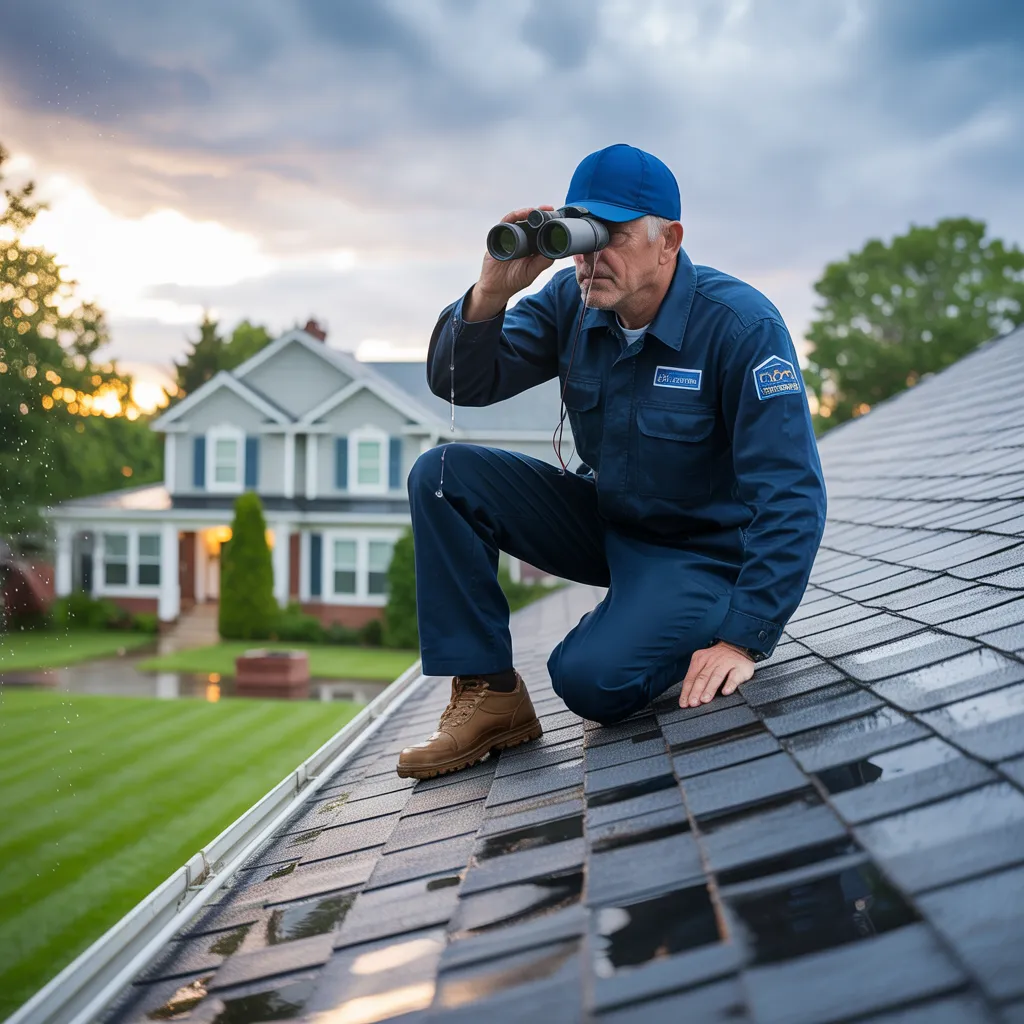
Homeowners frequently encounter a variety of roof problems that can threaten the integrity of their homes. One prevalent issue is damaged shingles, which can arise from harsh weather conditions, wear and tear, or improper installation. Damaged or bent shingles can create leaks and further deterioration. In addition, homeowners may experience issues with roof flashing, the material that channels water away from vulnerable areas, such as chimneys and vents. If flashing is damaged or improperly installed, it can enable water infiltration. Another frequent problem is clogged gutters, which can cause water to back up and damage roofing materials. Furthermore, moss and algae growth can damage shingles and create an unsightly appearance. Lastly, homeowners often face inadequate ventilation, resulting in heat buildup and moisture accumulation in the attic, which may cause structural damage. Addressing these issues promptly is essential for sustaining a safe and durable roof.
Recognizing Roof Leaks
Recognizing roof leaks is a critical step in addressing the common roof problems that homeowners deal with. Quick detection can stop more significant damage and costly repairs. Homeowners should start by checking the interior of their homes for water stains, discoloration, or mold, specifically in ceilings and walls. These indicators often point to a leak existing in the roof.
Next, evaluating the roof's exterior is essential. This encompasses inspecting for damaged, cracked, or missing shingles, as well as evaluating flashings around chimneys, vents, and skylights, which are common leak entry points. In addition, examining gutters and downspouts for blockages can help avoid water accumulation that may result in leaks.
It is also advisable to perform these inspections after heavy rainfall, as leaks may be more evident at that time. By diligently identifying potential leaks, homeowners can take proactive steps to preserve their property and maintain its value.
Why You Need to Fix Those Missing Shingles
While it may seem minor, repairing missing shingles is essential for preserving the structural soundness of a roof. Missing shingles leave vulnerable the underlying roofing materials to environmental elements, elevating the risk of water damage and potential damage to the interior of the home. Without proper coverage, leaks can develop, causing mold growth, decaying wood, and costly repairs.
In addition, a roof with missing shingles can undermine its overall aesthetics, diminishing the home's curb appeal and potentially decreasing property value. It is also essential to consider that missing shingles may point to underlying issues, such as faulty installation or age-related wear.
Dealing with this concern swiftly is critical; substituting missing shingles not only guards against immediate water damage but also extends the longevity of the roof. Homeowners should routinely inspect their roofs and take action when missing shingles are detected to protect their investment successfully.
Repairing a Collapsing Roof
A sagging roof can signal serious structural issues that require immediate attention. Homeowners need to begin by examining the degree of sagging, because it might point to weakened rafters, impaired trusses, or moisture collection. Discovering what's causing the issue is vital; causes may encompass poor structural support, wear from aging, or earlier moisture damage.
It's recommended to seek a professional roofing contractor for a complete inspection. A qualified expert can identify whether repairs or a complete roof replacement is essential. In some cases, reinforcing the roof structure may be adequate, while more severe sagging might demand substantial repairs or even rebuilding sections of the roof.
Moreover, homeowners should ensure proper drainage in the attic and inspect for leaks that could aggravate existing problems. Prompt action can prevent further deterioration, preserving both the roof and the home's overall integrity. Addressing sagging immediately is essential for safeguarding a homeowner's investment.
The Effect of Weather Conditions on Roof Integrity
Weather conditions play a crucial role in the integrity of a roof, as various conditions can lead to wear and damage over time. Moisture, snow, and ice can cause water infiltration, leading to rot and mold growth in roofing materials. Extended exposure to UV rays from the sun can deteriorate roofing components, creating brittleness and cracking. Powerful winds can dislodge shingles and tiles, exposing the underlying structure to additional weather conditions. In areas prone to hail, roofs can suffer punctures and dents, compromising their protective capabilities. In addition, temperature fluctuations can make materials to expand and contract, possibly causing warping or loosened attachments. Frequent monitoring and timely repairs are necessary to upholding a roof's integrity against these weather-induced challenges. Homeowners should stay vigilant, especially after major weather events, to confirm their roofs remain protective of their homes effectively.
Roof Maintenance DIY Guidelines
Keeping up with a roof is vital for homeowners looking to extend its longevity and ensure safety against the elements. Periodic inspections are critical, ideally conducted biannually and after major weather occurrences. Homeowners should look for lost or damaged shingles, evidence of leaks, and debris collection. Cleaning gutters is critical, as obstructed gutters can result in water pooling and subsequent damage.
Using a roof sealant can offer an extra layer of defense against moisture. Homeowners can also trim overhanging branches to avoid damage from falling limbs and reduce the risk of moss growth. Additionally, checking for proper ventilation in the attic aids in controlling temperature and avoids condensation buildup, which can weaken roof integrity.
When Should You Call a Professional Roofer?
In what way can homeowners establish the right time to engage a professional roofer? Identifying when to call a professional is essential for maintaining a protected and functional roof. Homeowners should pursue expert assistance when they spot significant leaks, widespread water damage, or visible sagging in the roof structure. Furthermore, if shingles are absent, broken, or curling, it is wise to consult a professional.
Additionally, if a homeowner becomes uncertain about the scope of damage or lacks the experience needed for repairs, contacting a roofer is advisable. Regular inspections, particularly after severe weather, can uncover issues that may similar article necessitate professional intervention. Last but not least, if a roof is nearing the end of its lifespan and shows evidence of wear, hiring a roofer can help assess whether repairs or a replacement is necessary. Addressing these concerns immediately can avoid further damage and protect the homeowner's investment.
FAQ
How Often Should I Check My Roof for Issues?
Experts recommend inspecting a roof at least twice a year, preferably in fall and spring. Moreover, after severe weather events is essential, as this can uncover unseen damage that may undermine the roof's integrity.
What Are the Signs of Poor Roof Installation?
Indicators of substandard roof installation consist of misaligned shingles, visible gaps, rain-induced leakage, drooping sections, and flashing inadequately sealed. These indicators may lead to serious complications ahead, emphasizing the significance of qualified installation and regular inspections.
Will Roof Repairs Enhance My Home's Value?
Roof repairs can enhance a home's value by elevating curb appeal and preserving structural integrity. Property buyers often seek out well-maintained roofs, which can lead to higher offers and speedier sales in the real estate market.
How Should I Pick the Right Roofing Material?
To choose the right roofing material, you should evaluate factors such as climate, longevity, aesthetic preferences, and financial constraints. Researching local building codes and working with professionals can also guide the decision-making process efficiently.
What Warranty Choices Are Offered for Roof Repairs?
Different warranty options for roof repairs include manufacturer warranties, workmanship warranties, and limited lifetime warranties. Homeowners should meticulously review provisions, coverage periods, and conditions to select the most suitable option for their needs.